
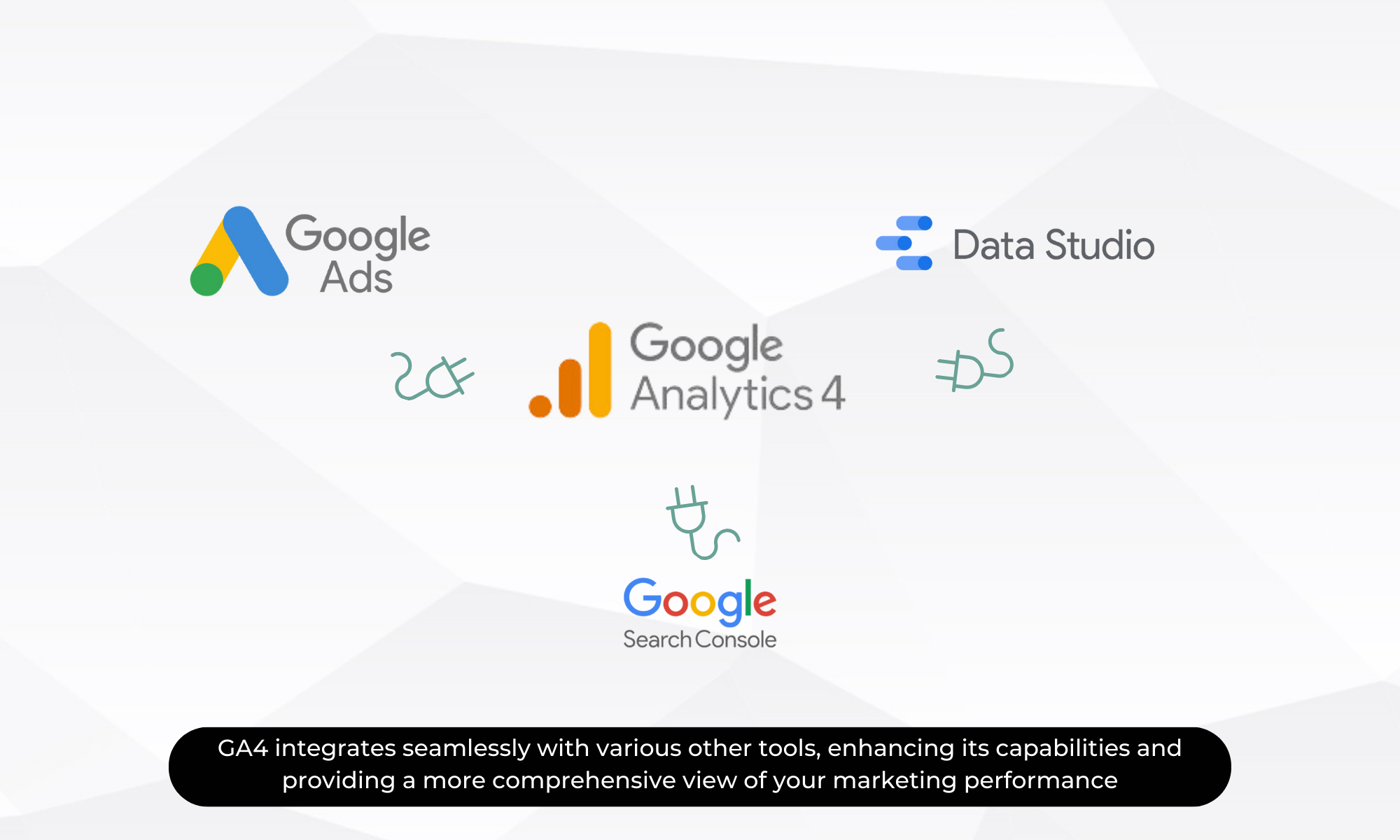
From Data to Decisions: Mastering Google Analytics for Better Marketing Performance
In today’s digital world, data is everywhere—but turning that data into meaningful business decisions is what separates average marketers from high-performing brands. Platforms like Google Analytics have become essential for understanding user behavior, measuring campaign performance, and optimizing marketing strategies in real time.
However, simply collecting data is not enough. The real value comes from interpreting it correctly and using it to guide decisions. Modern analytics, especially in GA4, is built around an event-based model that tracks every interaction—clicks, scrolls, purchases, and engagement actions. This allows businesses to see the full customer journey instead of isolated actions.
One of the most powerful shifts in analytics today is the move from reporting to decision-making. Instead of asking “What happened on my website?”, marketers now focus on questions like “Why did it happen?” and “What should I do next?” With AI-powered insights and predictive metrics, Google Analytics helps identify trends before they become problems and opportunities before they are missed.
A key part of mastering analytics is understanding user intent. Not all traffic is equal—some visitors are ready to buy, while others are just exploring. By analyzing engagement metrics, conversion paths, and traffic sources, businesses can identify high-value audiences and focus their efforts on what actually drives revenue.
Another important factor is conversion tracking. Properly configured goals and events allow marketers to measure success beyond page views. Whether it’s form submissions, product purchases, or newsletter sign-ups, tracking meaningful actions helps connect marketing activity directly to business outcomes.
Cross-channel analysis also plays a major role. Users rarely interact with just one platform before converting. They might discover a brand through social media, research it via search engines, and finally convert through a paid ad. Understanding these journeys helps businesses allocate budgets more effectively and avoid over-investing in a single channel.
The real power of Google Analytics lies in combining data, context, and strategy. When marketers learn to read patterns instead of just numbers, they gain a deeper understanding of what drives growth. This leads to smarter decisions, better targeting, and improved return on investment.
In conclusion, mastering Google Analytics is not about memorizing reports—it is about building a mindset where every decision is backed by data. Businesses that embrace this approach move faster, adapt quicker, and consistently outperform competitors in an increasingly data-driven digital landscape.